EEC Mega Project Overview and Its Impact on Thailand
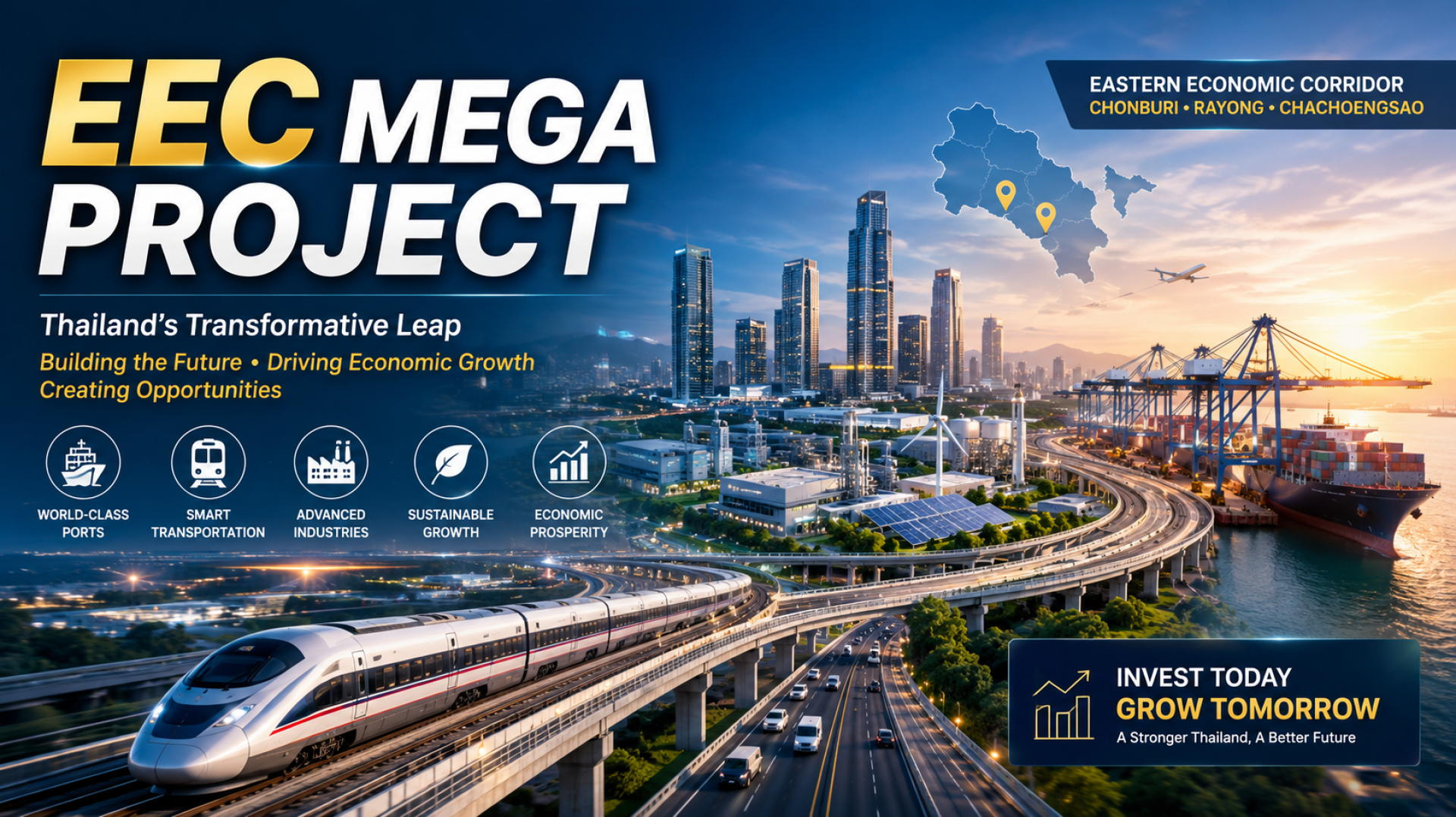
Thailand is on the brink of a transformative leap with the ambitious EEC Mega Project, a development initiative spanning several provinces in Central and Eastern Thailand. If you’re an investor, real estate professional, economist, or simply curious about the future of Thailand’s growth, understanding this project is essential. The EEC Mega Project promises to reshape the economic landscape, enhance infrastructure, and unlock new opportunities across multiple sectors. In this article, we’ll explore the project’s scope, objectives, and timeline, then analyze its potential impacts on Thailand’s economy and real estate market, providing you with data-driven insights and forecasts to navigate this exciting development.
EEC Mega Project: Understanding Its Scope and Key Components
The Eastern Economic Corridor (EEC) Mega Project is more than just a development plan—it’s a bold vision to transform the provinces of Chonburi, Rayong, and Chachoengsao into a powerhouse of industry and innovation. The goal is to fast-track Thailand’s economic growth by enhancing connectivity, attracting foreign investment, and nurturing cutting-edge industries. This initiative fits neatly into Thailand’s 2023-2027 action plan, which prioritizes a seamless logistics network and growth in sectors like automotive manufacturing, electronics, petrochemicals, and green industries.
Port Development Enhancements in the EEC
Ports are the lifeblood of trade, and the EEC Mega Project recognizes this by focusing heavily on expanding key maritime gateways such as Map Ta Phut and Laem Chabang ports. The third phase of expansion involves extensive marine construction and infrastructure upgrades designed to boost maritime capacity significantly. Imagine Laem Chabang Port handling over 30% more cargo once the upgrades are complete—this means larger container ships can dock, and goods can move faster and more efficiently. This enhancement is set to elevate Thailand’s role as a crucial logistics hub in Southeast Asia, connecting the country more effectively to global markets.
Transportation Infrastructure Upgrades within the Corridor
Transportation improvements are at the heart of the EEC’s strategy. New metro lines in Bangkok, alongside upgrades to road and rail networks within the corridor, aim to smooth the flow of goods and people alike. The expansion of double-track railways and motorways will help cut down on traffic bottlenecks, making business operations more efficient. One of the most exciting developments is the planned high-speed rail linking Bangkok to the EEC provinces, which could halve travel times. This will not only benefit commuters but also speed up freight transit, making supply chains more reliable.
Development of Specialized Industrial Estates
To attract targeted industries, the project is establishing specialized industrial estates equipped with state-of-the-art utilities and services. These zones are tailored to support high-tech manufacturing and innovation-driven businesses, creating vibrant ecosystems for research, development, and production. For example, the Eastern Industrial Estate is being upgraded to support electric vehicle (EV) manufacturing, reflecting Thailand’s ambition to become a regional EV hub. This kind of focused development is designed to foster growth in sectors that promise long-term sustainability and competitiveness.
Sustainability Initiatives Embedded in the Project
The EEC Mega Project isn’t just about growth—it’s also about growing responsibly. Environmental considerations are woven into the fabric of the project, with green building practices and eco-friendly construction materials taking center stage. This approach aligns with global ESG (Environmental, Social, and Governance) standards, making the project attractive to investors who prioritize sustainability. Solar power installations and water recycling systems are being integrated into industrial estates to minimize environmental impact, signaling Thailand’s commitment to balancing economic progress with ecological stewardship.
Economic Impact of the EEC Mega Project: A Catalyst for Growth
The EEC Mega Project is poised to be a major driver of Thailand’s economic expansion over the coming decade. Public construction investment linked to the EEC is expected to grow by about 3.0 to 3.5 percent annually, sparking increased demand across construction, manufacturing, and service sectors. According to the Office of the National Economic and Social Development Council, this sustained investment could add roughly 1.5% to Thailand’s GDP growth each year.
What’s particularly notable is how this influx of infrastructure investment is likely to attract both domestic and foreign direct investment. The focus on advanced manufacturing and green industries aligns well with global trends toward sustainability and innovation, opening doors to new export markets and enhancing Thailand’s industrial standing. For instance, foreign investment in the EEC region jumped by 12% in 2023 compared to the previous year, a clear sign that confidence in the corridor’s potential is growing.
Improved logistics and transportation networks will also help businesses cut costs. Faster, more reliable movement of goods—thanks to upgraded railways and motorways—will be a boon for industries that rely on just-in-time supply chains. Automotive manufacturers and electronics producers, in particular, stand to benefit from these efficiencies, which can translate into higher profitability and competitiveness.
Of course, the project isn’t without its challenges. Political uncertainties, labor shortages, and global economic shifts—such as changes in U.S. tariff policies—could slow progress in the short term. Still, the strategic importance of the EEC and strong government support provide a solid foundation for long-term gains. The government’s commitment to policy stability and investor incentives helps ease some of these concerns, making the outlook cautiously optimistic.
Implications for Thailand’s Real Estate Market: Opportunities and Challenges
The ripple effects of the EEC Mega Project will be felt strongly in Thailand’s real estate sector, especially in the Central and Eastern provinces. As infrastructure and industry grow, so too will the demand for residential and commercial properties, reshaping market dynamics.
Residential Sector Dynamics Near the EEC
While housing supply in the Bangkok Metropolitan Region might slow down temporarily, the EEC’s development is expected to boost housing demand in nearby provinces. This shift is largely driven by workers moving closer to new industrial zones and business hubs. For example, housing demand in Chonburi and Rayong has been climbing by about 7% annually in recent years. That said, high household debt levels and cautious lending practices could temper a quick rebound in the housing market, so developers and financial institutions will need to keep a close eye on these trends.
Growth in Commercial and Industrial Real Estate
The expansion of industrial estates and commercial complexes opens up significant opportunities for developers and investors. Demand for warehouses, office spaces, and logistics facilities is expected to rise alongside industrial growth. Logistics companies, for example, are likely to set up regional distribution centers near upgraded ports and transportation hubs to take advantage of improved connectivity. Vacancy rates in industrial properties within the EEC have already dropped below 5%, reflecting strong absorption and investor interest.
Impact on Construction Materials and Costs
With a project of this scale, construction material prices are bound to be affected. While increased demand might push prices up moderately, competition from imported materials could help keep costs in check. Developers will need to carefully manage budgets and supply chains to maintain profitability amid these fluctuations. For instance, steel prices have seen some ups and downs but have remained relatively stable thanks to diversified sourcing strategies.
Sustainability Trends Shaping Real Estate Development
The project’s focus on green building practices encourages developers to adopt environmentally friendly construction methods. While this can mean higher upfront costs, the long-term benefits—like energy savings, better building performance, and compliance with international standards—make it worthwhile. Sustainable buildings tend to attract quality tenants and can command higher property values. Increasingly, multinational corporations prefer office spaces certified under LEED or similar standards, especially in regions like the EEC where sustainability is a priority.
Conclusion: The Future Outlook of the EEC Mega Project and Its Broad Significance
The EEC Mega Project represents a sweeping initiative with the potential to redefine Thailand’s economic and real estate landscapes. By upgrading infrastructure, nurturing targeted industries, and embedding sustainable practices, it aims to secure Thailand’s place as a regional economic leader. The project’s comprehensive approach addresses both immediate growth needs and long-term sustainability goals.
While short-term challenges such as political uncertainties and global economic shifts remain, the long-term prospects look promising. For investors, developers, and businesses, the EEC Mega Project offers a wealth of opportunities. Keeping abreast of developments and understanding the evolving dynamics of the corridor will be crucial for making informed strategic decisions. Resources like the Thailand Board of Investment and industry reports can provide valuable guidance along the way.
As Thailand embarks on this ambitious journey, the EEC Mega Project stands as a beacon of growth and innovation, poised to elevate the country’s economic and real estate prospects for years ahead.
For further details on investment opportunities and updates, visiting the official EEC website and consulting reports from the World Bank on Southeast Asia’s economic outlook can offer comprehensive guidance.
