Bang Na Is Heating Up: A New Wave of Capital Is Turning Bangkok's Eastern Gateway Into a Retail Powerhouse
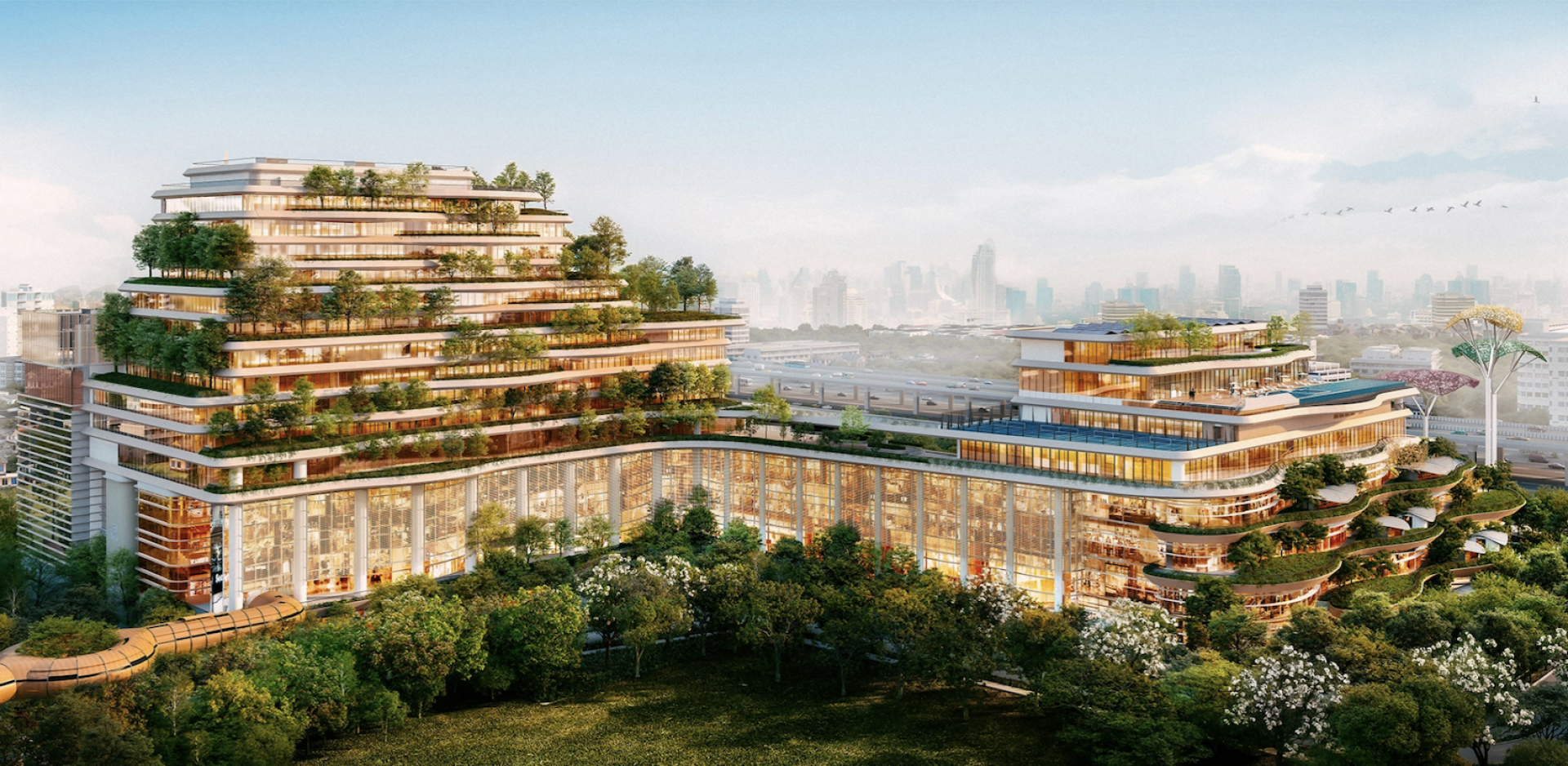
Bang Na property investment is drawing fresh attention as the district's retail landscape transforms.
From Transit Route to Destination
Bang Na's rise didn't happen overnight. The Bang Na-Trat Road (Thep Rat Road) has long served as the main artery linking Bangkok to Samut Prakan and the east, and its importance only grew as the Bang Na Expressway, the BTS line, and Suvarnabhumi Airport came online. Infrastructure built the foundation - but it's the residential boom on top of it that changed the math for retail.
The area is now home to an estimated 900,000 residential units, roughly 5,000 of them in the luxury tier, alongside around 20 top-tier international schools. That combination - density, spending power, and a growing international resident base - created exactly the kind of consumer catchment that large-scale retail needs to work.
The result: Bang Na stopped being somewhere people passed through and became somewhere they deliberately travel to - to eat, shop, and spend the day.
The Incumbents Aren't Standing Still
Two names built Bang Na's retail identity long before this current wave: Central Bangna, trading since 1993, and Mega Bangna, which arrived in 2011 alongside IKEA and introduced the region to the large-format "destination mall" model - pulling in shoppers from across eastern Bangkok and Samut Prakan, not just the immediate neighborhood.
Both are now reinvesting rather than resting on that legacy position:
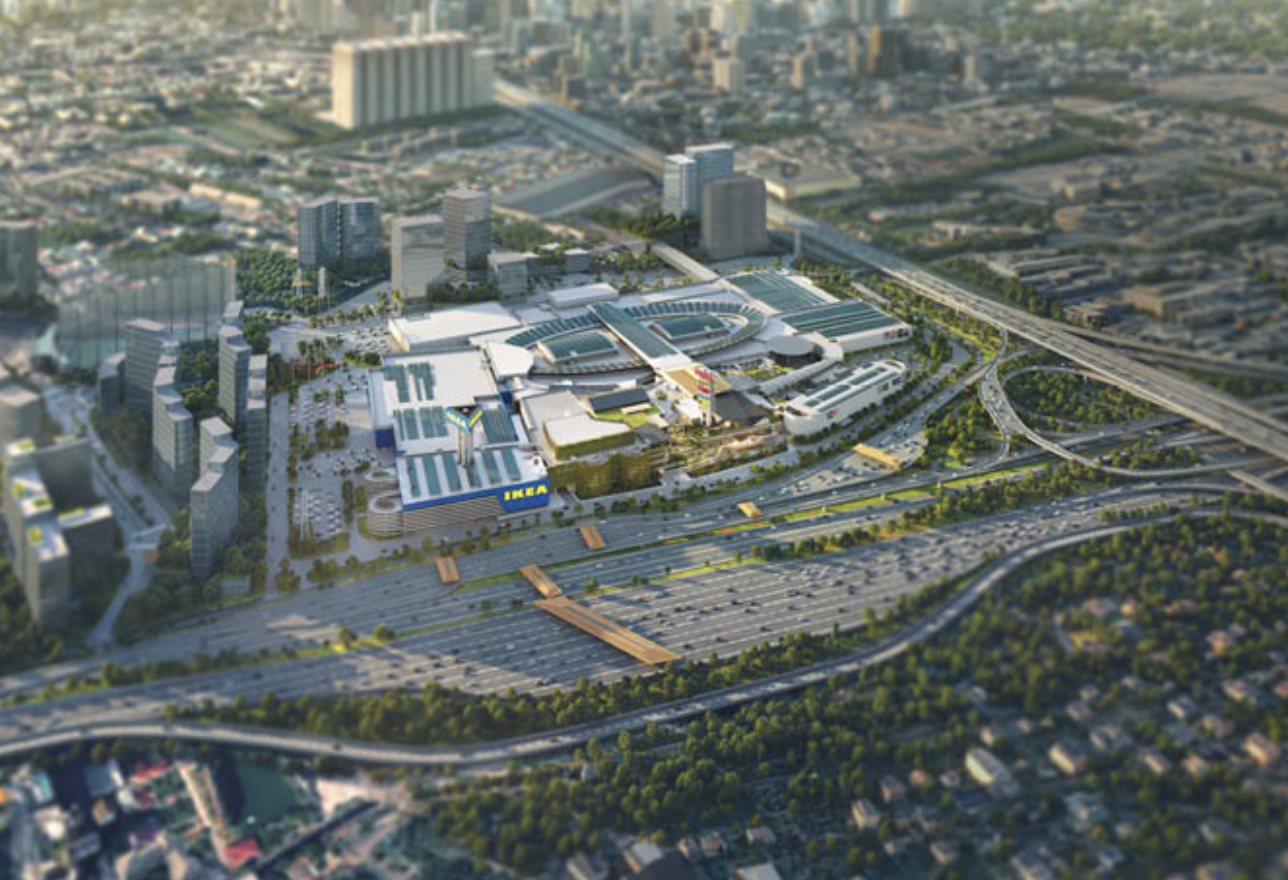
- Mega Bangna Phase 2 - CPN (Central Pattana) is expanding the complex by roughly 170,000 sq.m., backed by an estimated THB 6 billion.
- Mega City - a mixed-use development on roughly 325 rai around Mega Bangna (land co-held with IKEA), targeting a total gross building area of 1.3 million sq.m. and an estimated project value of THB 70 billion, with completion targeted for Q3 2028.
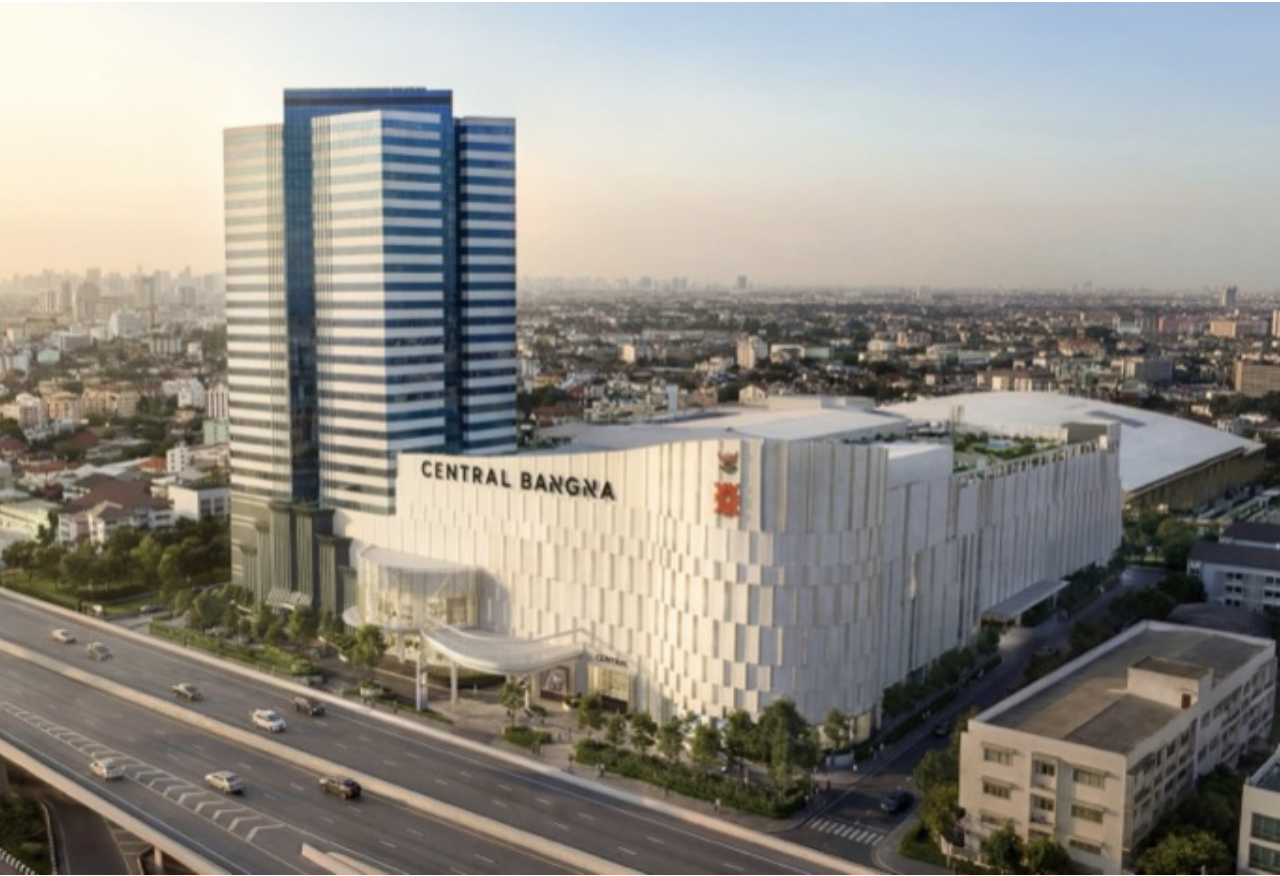
- Central Bangna's overhaul - a mixed-use redevelopment on 50 rai, roughly 300,000 sq.m. GBA combining retail, office, and residential, alongside a fresh lineup of new-to-market brands including SUSHIRO, SOLSOT, and YONNY, plus Thailand's first standalone "NO Brand" store at Tops Central Bangna.
Four New Entrants Are Reshaping the Competitive Map
What makes this cycle different is that the incumbents no longer have the field to themselves. At least four new players are moving in with distinct strategies rather than simply copying the mega-mall formula:
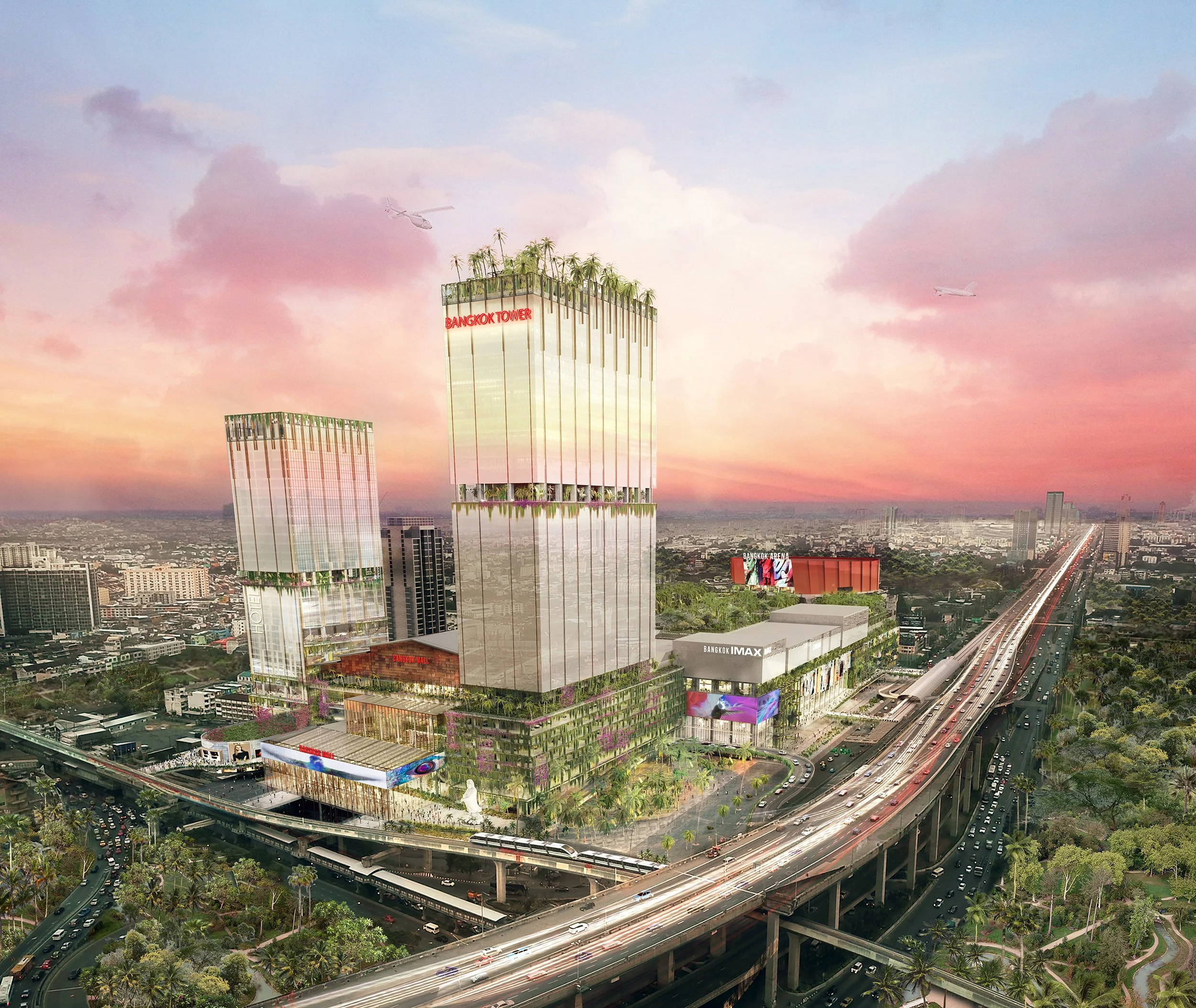
- Bangkok Mall (The Mall Group) - an estimated THB 50 billion mixed-use project at the Bang Na intersection, spanning over 100 rai and combining retail, an arena, offices, and residences. Targeted opening: 2026-2027.
- Happitat (CP Axtra / CPAXT) - positioned at the entrance to MQDC's The Forestias, this is less a conventional mall and more a lifestyle destination, launching with 60+ restaurants and cafes built around experience rather than pure retail. Official opening: 21 August 2026.
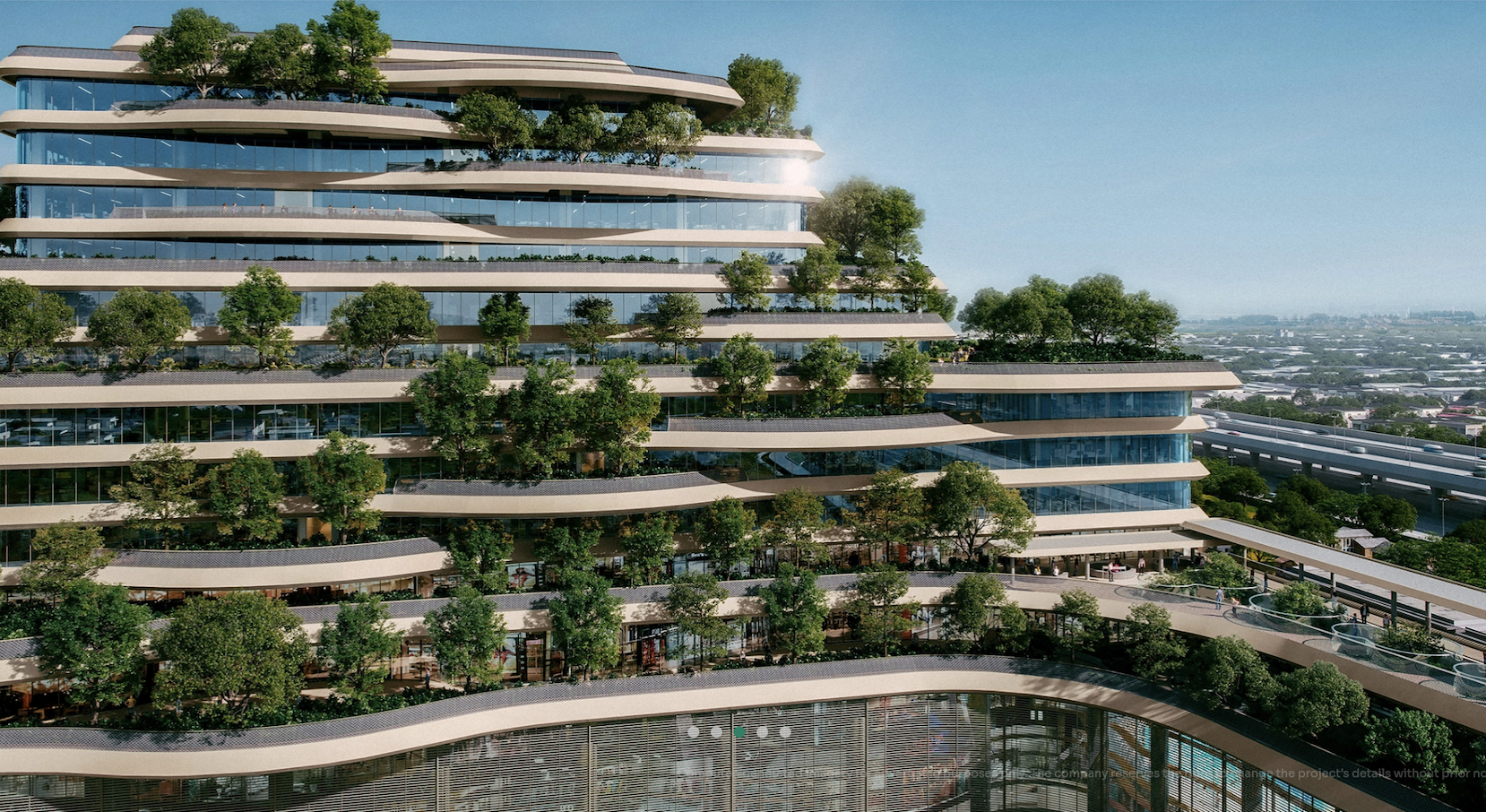
- PADDIO (Wattanawekin Group) - a roughly THB 700 million, 45-rai project on Bang Na-Trat Road (km 8) with over 10,000 sq.m. of leasable space, positioned as a neighborhood hub rather than a regional draw. More than 40% of the site is allocated to green and open space, aimed at everyday use by nearby residents. Expected to open late 2026.
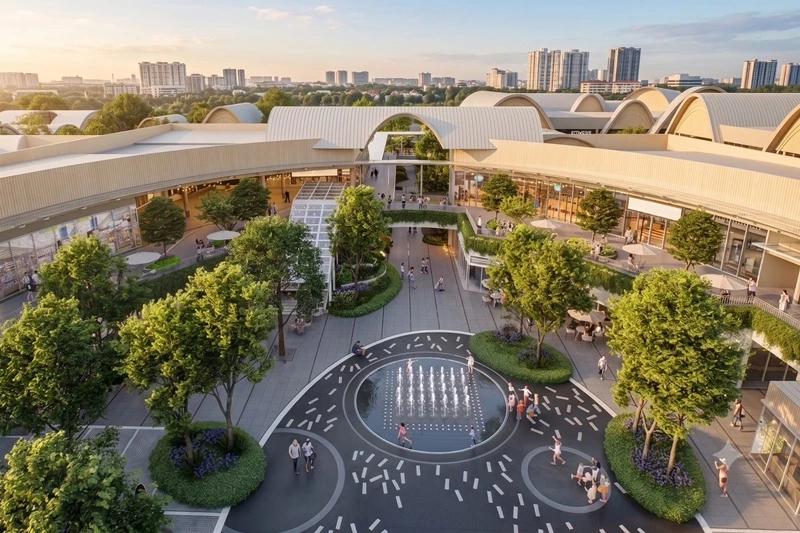
- GRANDPARK BANGNA - built on roughly 25 rai around the idea that newer consumers want more than a standard community mall. Branded "The Social Club of Bangna," it's targeting the lifestyle and outdoor-activity segment rather than competing head-on with the mega malls.
Why This Matters for Investors
Taken together, these projects tell a clear story: Bang Na's retail market is no longer a single tier dominated by one or two anchors. It's splitting into layers - regional destination malls, neighborhood-scale retail, and lifestyle/experience concepts - each targeting a different slice of daily consumer behavior. That kind of segmentation usually shows up in a market after the underlying population and income base has already reached critical mass, which lines up with the residential growth Bang Na has seen over the past decade.
For property investors, sustained, well-capitalized retail investment on this scale is one of the clearer signals of a district's long-term trajectory - it tends to follow (and reinforce) rising land values, stronger rental demand, and better everyday convenience for residents nearby. It's a trend worth watching closely if Bang Na is on your radar as a location for a Bangkok property purchase.
Figures above (investment values, land size, GBA, completion dates) are as reported in recent market coverage and should be treated as estimates pending confirmation from each developer at the time of publication. No investment return, yield, or capital appreciation is implied or guaranteed by this content.